Ageism in the Workplace: How to Combat It
- Brittany Sentim

- Aug 30, 2024
- 5 min read
Updated: Dec 10, 2024
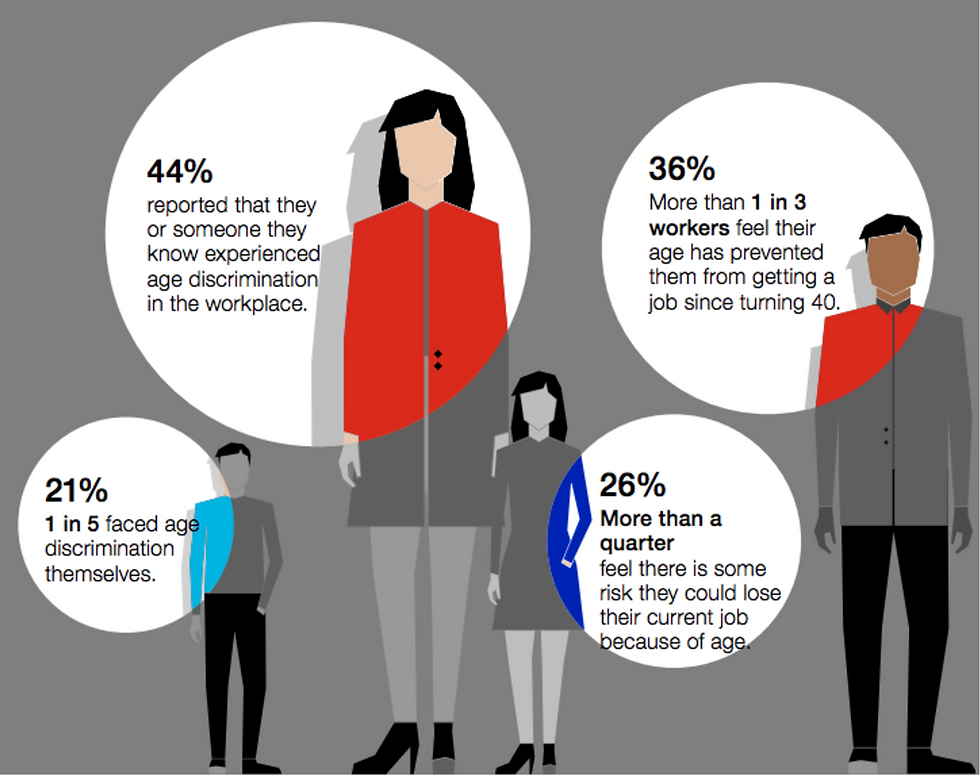
"Ageism in the workplace" refers to when an employee is treated unfairly or denied opportunities based on their age, often manifesting as discriminatory practices like being passed over for promotions, receiving fewer challenging assignments, or being laid off simply because they are considered "too old" for the job; essentially, it's discrimination against someone based on their age in a professional setting."
Ageism in the workplace is a growing concern that affects both older and younger employees. As the workforce becomes increasingly diverse, age discrimination is emerging as a critical issue, impacting job opportunities, career advancement, and workplace dynamics. Despite laws in many countries designed to protect employees from age-based discrimination, ageism remains pervasive in many industries.
What is Ageism in the Workplace?
Ageism refers to discrimination or prejudice against individuals based on their age. In the workplace, ageism manifests in various forms, from biased hiring practices and promotion decisions to subtle microaggressions and exclusionary behaviors.
Ageism can affect workers of all ages. For older employees, it often takes the form of assumptions about their competence, adaptability, or ability to work with new technologies. For younger employees, it can involve stereotypes about their lack of experience or maturity.
Types of Ageism in the Workplace
Hiring Discrimination: Ageism often starts in the hiring process. Older job candidates may be overlooked in favor of younger candidates, even if they possess the necessary skills and experience. On the other hand, younger candidates might be dismissed due to perceived lack of experience or readiness to take on important roles.
Promotion Bias: Older employees may face barriers to career advancement, with management preferring to promote younger, "more dynamic" employees. This can result in stagnation for senior workers who are just as capable and experienced as their younger counterparts.
Unfair Stereotyping: Employees of all ages may face unfair generalizations. Older employees might be seen as technologically challenged, while younger employees may be assumed to lack work ethic or commitment.
Exclusion and Isolation: Employees may be socially excluded or not included in key projects based on their age. For example, younger workers may be excluded from leadership opportunities, while older workers may be left out of training sessions or new initiatives.
Workplace Culture: An organizational culture that favors youthfulness can create an atmosphere where older employees feel undervalued or invisible. Similarly, an overemphasis on “youth culture” can alienate younger employees and prevent them from accessing the opportunities they deserve.

The Detrimental Effects of Ageism in the Workplace
Ageism doesn't just harm individual employees; it also undermines overall business performance and organizational success. Here's how:
1. Reduced Job Satisfaction and Engagement
When employees experience ageism, it can negatively impact their job satisfaction, morale, and overall sense of belonging. Feeling overlooked, discriminated against, or undervalued can lead to disengagement, lower motivation, and a lack of enthusiasm for their work.
2. Decreased Productivity
Age-related biases can lead to decreased productivity across the organization. When employees are not given the same opportunities based on age, they may not contribute their full potential. Additionally, teams that lack diverse age representation often miss out on the unique perspectives and skills that come from people at different stages of life.
3. Loss of Experienced Talent
When older employees face age discrimination, they may feel forced to leave their jobs or retire earlier than planned. This results in the loss of valuable, experienced talent that can mentor younger workers, guide strategic decisions, and provide historical knowledge. Losing this expertise can create a skills gap within the company.
4. Legal and Reputation Risks
Ageism can expose a company to legal risks if employees or job applicants pursue lawsuits or discrimination claims. Additionally, a company that has a reputation for tolerating ageism may struggle to attract top talent across all age groups, harming its brand and market position.
5. Impact on Mental Health
Experiencing age discrimination can severely impact the mental and emotional well-being of affected individuals. Feelings of alienation, frustration, and even depression can arise when employees perceive that their value is being judged solely based on their age.
Combating Ageism in the Workplace: Steps for Employers and Employees
Addressing ageism requires a collective effort from both employers and employees. Organizations that foster an inclusive, diverse, and respectful work environment will not only retain top talent but also improve performance and morale. Here are key strategies to combat ageism:
1. Implement Anti-Ageism Policies
Organizations should adopt clear anti-ageism policies that promote equality across all age groups. These policies should be communicated to all employees and reinforced during training sessions. Additionally, companies should make it clear that age-related biases will not be tolerated and that diversity in age is valued.
2. Focus on Skills, Not Age
Hiring, promotion, and evaluation processes should prioritize skills, qualifications, and experience rather than making decisions based on age. Employers should look at an employee’s ability to contribute to the team, their adaptability, and their potential for growth, not just the number of years they've been in the workforce.
3. Foster Intergenerational Collaboration
Encouraging collaboration between employees of different ages can break down stereotypes and promote knowledge-sharing. Older employees can mentor younger ones, while younger employees can introduce fresh perspectives and technological innovations. This kind of intergenerational collaboration can create a more inclusive and productive work environment.
4. Offer Training and Development Opportunities for All Employees
Companies should provide training and professional development opportunities for employees of all ages. This includes ensuring that older workers are not left behind in terms of technological skills or leadership development, while younger workers are given opportunities to grow and gain the experience needed to take on higher-level roles.
5. Promote Age Diversity in Leadership Roles
A truly inclusive workplace values age diversity at every level of the organization, including leadership positions. By actively seeking to hire and promote people of different ages for leadership roles, companies can model inclusive behaviors and ensure that leadership reflects a variety of perspectives.
6. Encourage Open Communication and Feedback
Employers should create a culture of open communication where employees feel comfortable discussing issues related to ageism. Regular feedback sessions, employee surveys, and anonymous reporting mechanisms can help uncover hidden biases and make employees feel heard and valued.
7. Lead by Example
Leadership plays a critical role in addressing ageism in the workplace. Senior executives and managers should model inclusive behavior by demonstrating respect for employees of all ages and calling out discriminatory practices when they occur. Leaders should also be open to learning about how ageism manifests and be proactive in creating a more inclusive work environment.
8. Support Career Transitions for Older Workers
For older workers nearing retirement, offering career transition support or phased retirement programs can help ease the transition. This allows older employees to retire on their terms, while also helping organizations retain their knowledge and experience during the process.
The Bottom Line: Creating an Age-Inclusive Workplace
Ageism in the workplace is not just an issue of fairness—it's an issue of business success. Companies that embrace a culture of age inclusivity and recognize the value of employees at all stages of life are better positioned for innovation, productivity, and long-term growth. By combating age-related biases and creating a more inclusive work environment, organizations can unlock the full potential of their workforce, foster positive employee relations, and stay competitive in an increasingly diverse world.
If you're an employer, start implementing policies that value age diversity. If you're an employee, speak out against ageism and encourage open conversations about the importance of inclusion. Together, we can build a workplace where every employee, regardless of age, has the opportunity to succeed and thrive.
AGEISM AT WORK: RESOURCES & HELPFUL ARTICLES
Lessons on how to lead when 'AGEIST' stereotypes run rampant: https://hbr.org/2022/03/i-was-a-manager-in-an-ageist-workplace
Age Discrimination Among Workers Age 50-Plus: https://www.aarp.org/research/topics/economics/info-2022/workforce-trends-older-adults-age-discrimination.html
Older workers find a less tolerant workplace: Why many say age discrimination abounds: https://www.usatoday.com/story/money/2024/02/11/older-workers-see-rampant-age-discrimination/72526697007/
How Much Do You Know About Age Discrimination Law? https://www.aarp.org/work/age-discrimination/quiz/
A 12-Step Action Plan to Combat Workplace Ageism: https://hrdailyadvisor.blr.com/2019/12/06/a-12-step-action-plan-to-combat-workplace-ageism/


